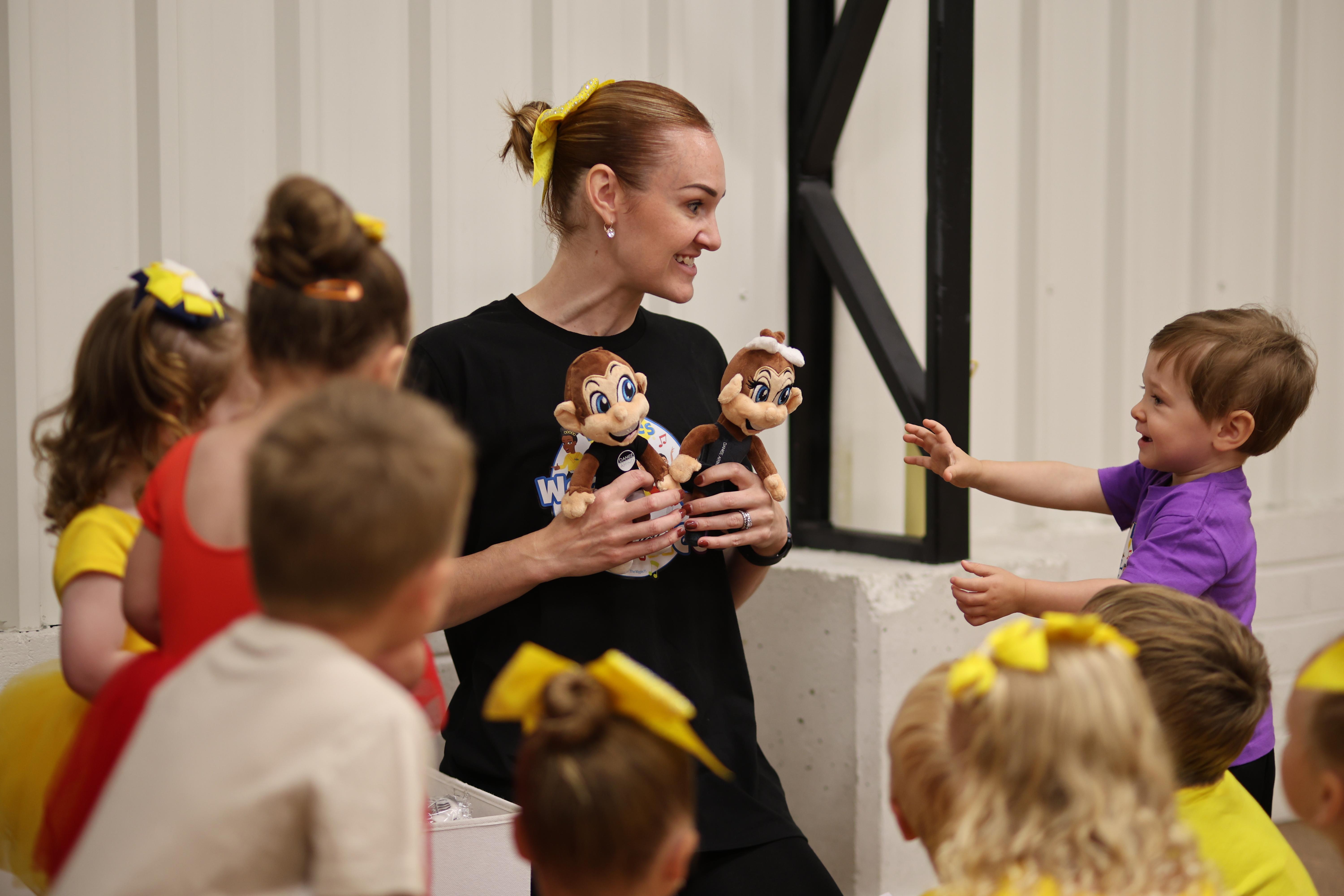
BEYOND DANCE.
By Amy Relf
9 Things Dance Teaches Beyond the Technique
When people think about dance, they often picture classes, costumes, and carefully practised routines. But the truth is, the impact of dance goes far beyond the studio—and far beyond childhood.
From toddlers taking their first creative steps to adults returning to movement later in life, dance supports the whole person. Backed by research in neuroscience, psychology, and physical health, dance is one of the few activities that develops the body, mind, and social wellbeing all at once.
So what does dance really teach us over a lifetime?
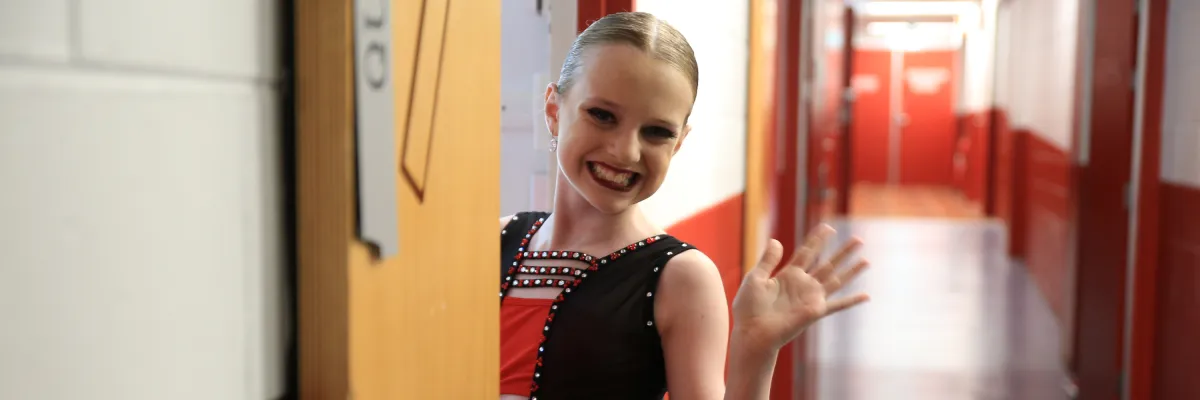
1. Confidence
Dance encourages people of all ages to step outside their comfort zone.
For young children, this might mean joining in for the first time. For teens, it could be performing on stage. For adults, it might be trying something completely new.
Research shows that mastering new physical skills and expressing creativity both contribute to increased self-esteem. Over time, dancers learn to trust themselves—and that confidence carries into school, work, and everyday life.
2. Resilience
No one gets everything right the first time—and dance makes that very clear.
Dancers learn that it’s okay to make mistakes, forget a routine, or need extra practice. What matters is trying again. Learning choreography, refining technique, and working toward performances all require patience and persistence. Mistakes are part of the process.
Psychological studies highlight that activities involving repetition and gradual improvement help build resilience. Dancers learn to keep going, adapt, and improve—skills that are valuable at any age. Developing a “growth mindset” means students learn that ‘I can’t, yet’ is ok, but also understanding that abilities improve with effort. A growth mindset is a useful skill to take into any area of your work or personal life.
3. Commitment
Dance teaches structure in a way that feels engaging rather than restrictive.
Regular classes, rehearsals, and goals help build discipline and commitment. Over time, this translates into strong habits—time management, focus, and accountability.
These are the same skills linked to success in academic settings, careers, and personal goals. Dance doesn’t just teach you to show up—it teaches you how to keep showing up.
4. Discipline and Accountability
Dance classes expect a level of discipline.
Students learn to listen, follow instructions, and stay focused. They take responsibility for their own participation: bringing the right shoes, remembering routines, and being ready to learn. Their improvement hinges on quality coaching paired with a determination to succeed, through practice and self reflection.
These habits build self-discipline, which has been strongly linked to academic success, emotional regulation, and independence.
5. Social Connection and Belonging
Humans are wired for connection—and dance creates it naturally.
From group classes to performances, dance brings people together. It teaches cooperation, empathy, and shared achievement.
Across all stages of life, having a sense of belonging is strongly linked to better mental health and overall happiness. Dance communities often become support networks, friendships, and lifelong connections.
6. Teamwork
Even when a dancer is in the spotlight, they’re never truly alone.
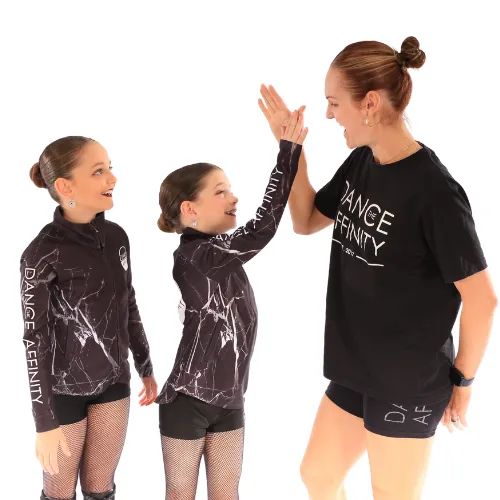
Dance teaches students how to work together—moving in sync, supporting each other, and contributing to a group performance. They learn that everyone plays an important role.
These teamwork skills build empathy, cooperation, and respect—qualities that benefit children in every area of life.
7. Creativity and Self-Expression
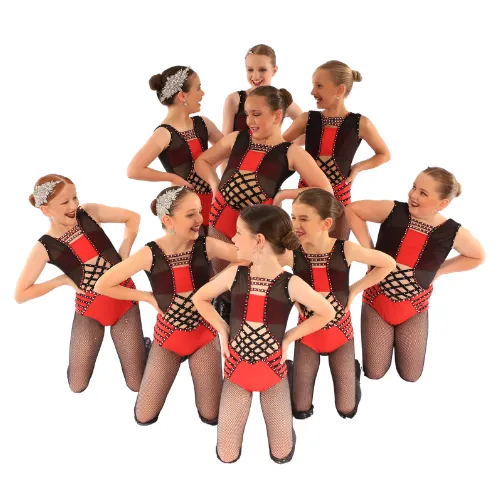
Dance offers something unique: the ability to express thoughts and feelings without words.
Studies in arts education show that creative activities support brain development, flexible thinking, and emotional expression. This is especially powerful for children still developing language skills, but it remains important throughout life. Creative expression supports brain function, problem-solving, and emotional awareness.
Whether it’s playful movement in a toddler class or expressive choreography in adulthood, dance keeps creativity alive.
8. Gratitude
Gratitude often grows quietly in the background—but it’s a powerful outcome of dance training.
Children begin to appreciate their teachers, their classmates, and the opportunity to learn and perform. They learn to celebrate effort—their own and others’.
Research suggests that practising gratitude can improve mood, strengthen relationships, and support overall mental wellbeing, even from a young age.
9. Tool for Mental Wellbeing
Dance is not just physical—it’s emotional.
Moving to music has been shown to reduce stress, improve mood, and even lower symptoms of anxiety and depression. This is partly due to the release of endorphins, as well as the connection between rhythm, movement, and the brain.
For children, it provides a safe outlet for big emotions. For adults, it can be a way to reconnect, unwind, and recharge.
So Much More Than Dance
Dance may begin with learning technique—but it doesn’t end there.
It shapes how people think, feel, connect, and grow throughout their lives. It builds confidence in a child, resilience in a teenager, balance in an adult, and vitality in later years.
So while the steps may change over time, the impact of dance lasts a lifetime.
And that’s what makes it truly special.